Ask a Tacoma Therapist: How Nutrition Can Support Your Mood, Anxiety, and Stress Response—A Guest Post from Radicle Nutrition
As a therapist in Tacoma, WA, I often talk with clients about the many factors that can influence mood, anxiety, stress, and emotional well-being. While therapy can be an important part of that picture, our mental and physical health are deeply connected, too. What we eat, how we nourish our bodies, and whether we're getting the nutrients we need can all play a role in how we feel.
That's one reason I'm excited to welcome Amy Booth of Radicle Nutrition to the Destiny City Counseling blog. Amy is a Master Nutritional Therapist who takes a holistic, individualized approach to nutrition, and I appreciate the way she looks at the body as an interconnected system rather than treating each concern as something that exists in isolation.
For those looking for therapy in Tacoma, WA, nutrition isn't a replacement for mental health treatment, but it can be one piece of a larger picture. And for people working through anxiety, stress, emotional eating, or other concerns in therapy, understanding the relationship between food, nutrients, and the nervous system can be a useful part of the conversation.
Here, Amy shares some of the nutrients that may play a role in mood, stress resilience, hormonal health, and brain function.
4 Mood and Anxiety Symptoms That May Be Connected to Nutrient Deficiencies

Winter can be a particularly difficult time for depressive symptoms in PNW due to our lack of sunlight and low vitamin D levels.
Anxiety that gets significantly worse before your period or during high stress.
A combination that strongly points toward magnesium deficiency. Magnesium is a GABA cofactor and a critical regulator of the NMDA receptor. It is depleted by stress, excess caffeine, alcohol, and a diet high in processed foods. Low magnesium means a nervous system that is more excitable, more reactive, and harder to settle. Magnesium is also depleted by cortisol, which means the more stressed you are, the more depleted you become, and the worse the anxiety gets.
Flat mood, low motivation, and poor stress resilience that are worse in winter or in low-sunlight conditions.
This is vitamin D deficiency until proven otherwise. Vitamin D receptors are expressed throughout the brain, including in the hippocampus. Vitamin D supports serotonin synthesis and has anti-inflammatory effects on microglia. Levels below 40 to 50 ng/mL in a functional context are commonly associated with depression, seasonal affective patterns, and poor stress recovery.
Anxiety, hyperreactivity, and racing thoughts with low frustration tolerance that are
worse with high-protein meals.This can indicate zinc deficiency, which impairs the conversion of B6 to its active pyridoxal-5-phosphate form, reducing GABA synthesis. Protein-rich meals provide more histidine and other amino acid precursors that compete for transport with the amino acids needed for calming neurotransmitter production.
Brain fog, depressed mood, and poor memory in someone who eats a plant-forward or vegan diet without careful supplementation.
B12 deficiency impairs myelin synthesis and homocysteine clearance, both critical for neurological function. B12 deficiency can develop over years and produce significant neurological and psychiatric symptoms before it is severe enough to show anemia on standard labs.
None of these are the entire picture. But any one of them can be the bottleneck that
prevents everything else from working.
How Nutrition Impacts Mood, Stress Resilience, and Hormonal Health
Let’s explore how nutrients impact your mood, stress resilience, and hormonal health.
Your brain and body are constantly communicating. The food you eat directly impacts the production and regulation of neurotransmitters like serotonin, dopamine, and GABA, which influence everything from mood and energy to focus and sleep.
Supplements to Fill the Gaps
Let’s look at the nutrients that play a critical role in emotional and hormonal health, and where to find them.
Key Mood-Supportive Nutrients

Working with a medical professional or nutritionist who can check your vitamin levels is useful to help you pick your supplements thoughtfully.
Folate (Vitamin B9)
Supports neurotransmitter production and hormone regulation through methylation.
Sources: leafy greens, lentils, chickpeas, asparagus, eggs
Iron
Low iron levels can present as anxiety, brain fog, and chronic fatigue.
Sources: grass-fed red meat, shellfish, spinach, legumes, pumpkin seeds
Magnesium
Calms the nervous system and supports deeper sleep and better stress resilience.
Sources: pumpkin seeds, spinach, almonds, cashews, black beans
Potassium
Helps stabilize blood pressure and support serotonin regulation.
Sources: bananas, sweet potatoes, beans, leafy greens
Vitamin B6 and B12
Essential for the creation of neurotransmitters and healthy brain function.
Sources: pasture-raised eggs, wild-caught fish, nutritional yeast, organ meats
Vitamin A
Supports neurological health and emotional balance.
Sources: carrots, sweet potatoes, dark leafy greens, egg yolks
Vitamin D
Low levels are linked to increased risk of depression and seasonal mood shifts.
Sources: sunlight, salmon, egg yolks, mushrooms, liver
Vitamin C
Plays a role in adrenal function and supports the body’s response to stress.
Sources: citrus fruits, strawberries, bell peppers, kiwi
Zinc
Supports immune health and cognitive function, and may enhance the effect of
antidepressants.Sources: oysters, beef, pumpkin seeds, chickpeas
Foods That Support Mood, Hormones, and Hydration
Incorporate a variety of nutrient-dense foods throughout the week to help support both emotional balance and physical energy. Some of our top picks include:
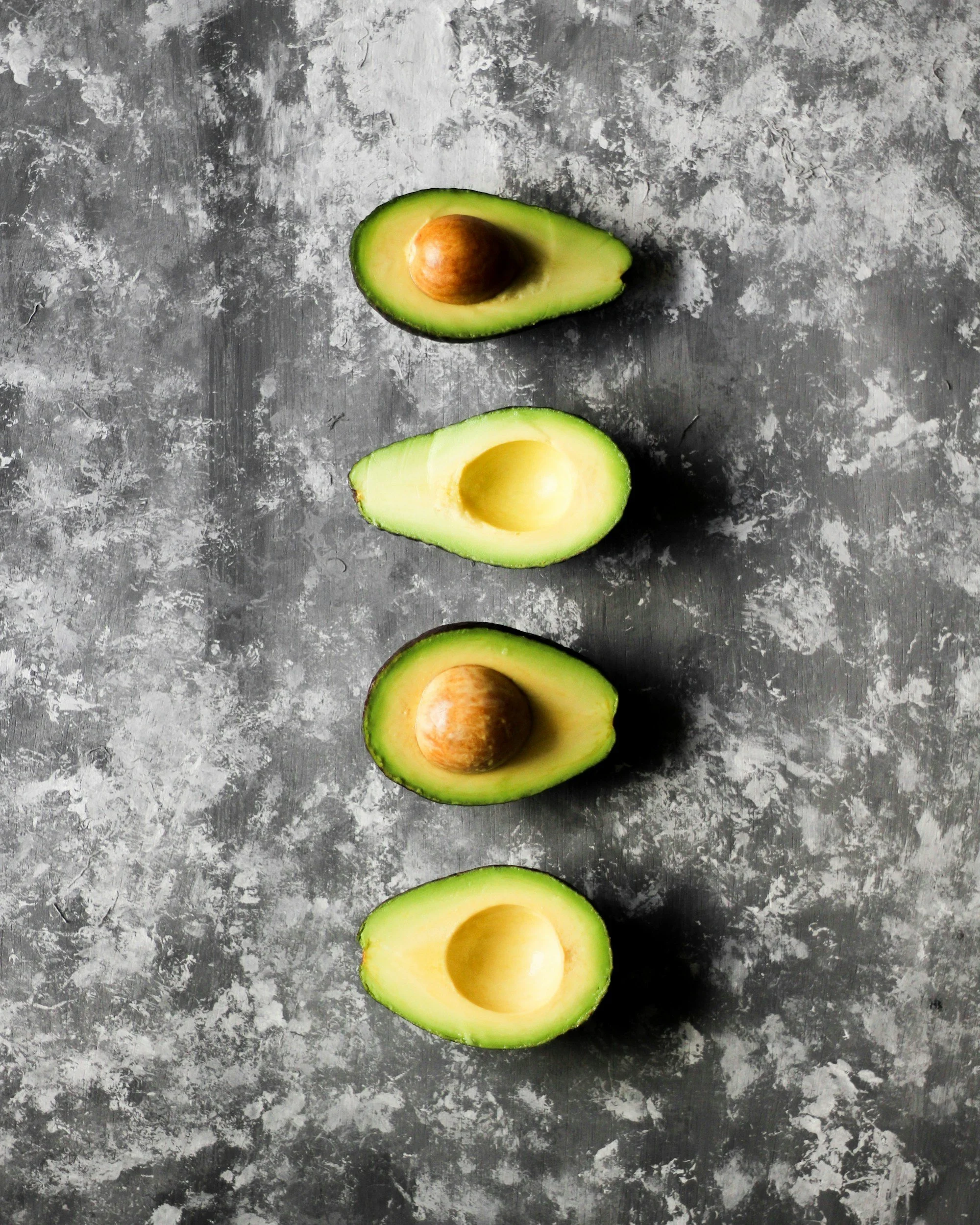
Whole foods are a great way to support your body to produce the neurotransmitters involved in brain health and well-being.
Avocados
Wild-caught salmon
Blueberries
Beets
Dark leafy greens such as kale, spinach, and Swiss chard
Pumpkin seeds
Lentils and chickpeas
Sweet potatoes
Organic eggs
Dark chocolate (70% cacao or higher)
The foods discussed above provide fiber, essential fatty acids, vitamins, and minerals that stabilize mood, enhance focus, and support overall hormone health.
How Nutrition Can Complement Therapy for Anxiety and Emotional Health
Nutrition and therapy don't have to be separate conversations. When you're working with a therapist in Tacoma, WA on anxiety, stress, emotional eating, or other mental health concerns, it can be helpful to consider the physical factors that may also influence how you feel.
In my work at Destiny City Counseling, I help clients explore the emotional and nervous-system patterns that can contribute to anxiety, stress, and emotional eating. I also use Brainspotting therapy as one of the approaches I offer, which can help clients work with experiences and patterns that may be difficult to access through talking alone. Nutrition can be another supportive piece of that bigger picture.
That doesn't mean every mood or anxiety symptom is caused by a nutrient deficiency, or that changing your diet can replace therapy or medical care. Rather, it can be useful to look at the whole person and consider the different factors that may be contributing to how someone feels. For some people, combining therapeutic work with thoughtful nutritional support can provide a more comprehensive approach to emotional health.
About the guest author, Amy Booth and Radicle Nutrition
Amy Booth is a Master Nutritional Therapist, Certified Nutritional Therapy Practitioner, and Level 3 Restorative Wellness Practitioner. A Washington State native, Amy's own experiences with nutrition and health led her to pursue formal education in holistic nutrition and nutritional therapy. She describes her approach as rooted in bio-individuality, recognizing that every person's body, health history, and goals are different.

Amy Booth, Master Nutritional Therapist with Radicale Nutrition in Tacoma, WA.
Through Radicle Nutrition, Amy works with clients to look at the interconnected ways that nutrition, digestion, the immune system, and the nervous system can affect overall well-being. Her practice is located in University Place, close to Tacoma and surrounding communities, and she also works with clients remotely.
If you'd like to learn more about Amy and her approach to nutritional therapy, you can visit Radicle Nutrition to explore her services and learn how to get started.